info@discoversouls.org
Subscribe to SMS Updates: (850) 308-3944
Supporting 190,000+ Patients Through Pakistan Kidney Institute (PKI)
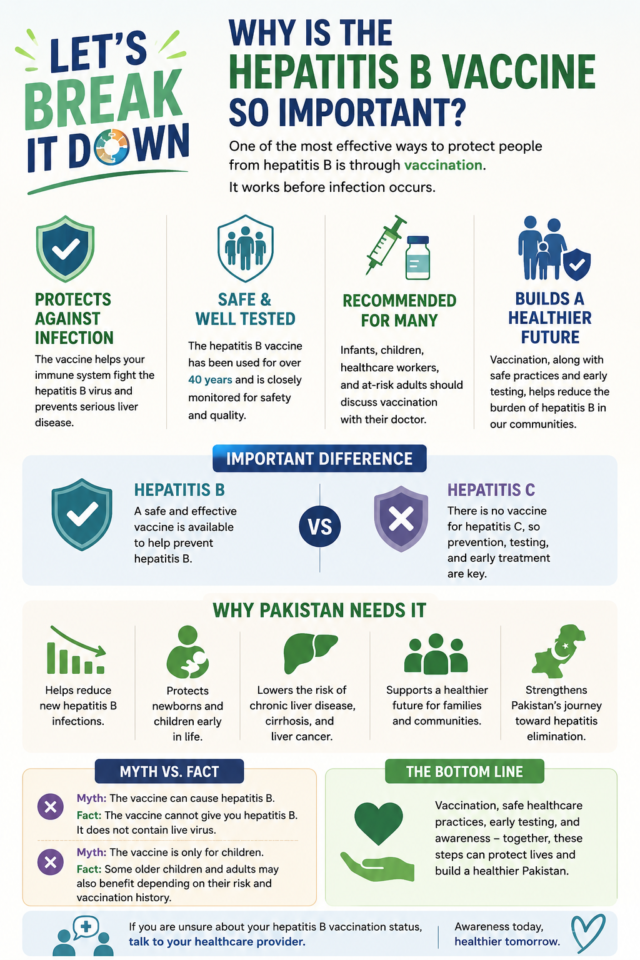
One of the most effective ways to protect people from hepatitis B is through vaccination.
Unlike hepatitis C, which currently has no approved vaccine, hepatitis B can often be prevented before infection occurs. This has made hepatitis B vaccination one of the most important public health achievements in the fight against viral hepatitis.
Today, hepatitis B vaccination is part of routine immunization programs in many countries and has helped reduce new infections, particularly among children.
The hepatitis B vaccine helps the body’s immune system recognize and defend against the hepatitis B virus without causing the disease itself.
The vaccines used today are recombinant hepatitis B vaccines, meaning they are produced using modern biotechnology rather than containing live hepatitis B virus.
Several manufacturers produce hepatitis B vaccines that meet international quality, safety, and effectiveness standards. Vaccines supplied through national immunization programs are evaluated through rigorous regulatory processes before they are approved for use.
The hepatitis B vaccine has been used worldwide for more than 40 years and is one of the most extensively studied vaccines in modern medicine.
Before approval, vaccines undergo multiple phases of clinical research to evaluate their safety, effectiveness, and quality. After they are introduced, health authorities continue to monitor their safety through ongoing surveillance systems.
The World Health Organization (WHO), national regulatory agencies, and public health experts continue to recommend hepatitis B vaccination because the evidence consistently shows that its benefits greatly outweigh its known risks.
Like any medicine, mild side effects such as soreness at the injection site or a low-grade fever may occur, but serious adverse reactions are uncommon.
Pakistan continues to face a significant burden of viral hepatitis.
While hepatitis C receives considerable attention because of its high prevalence, hepatitis B remains an important cause of chronic liver disease, cirrhosis, and liver cancer.
Expanding hepatitis B vaccination helps:
Vaccination alone will not eliminate hepatitis, but together with safe healthcare practices, early diagnosis, and public awareness, it is an essential part of prevention.
Vaccination recommendations depend on age, previous vaccination history, and individual circumstances.
Healthcare providers may recommend hepatitis B vaccination for:
If you are unsure whether you have received the hepatitis B vaccine, your healthcare provider can advise whether vaccination or additional evaluation is appropriate.
The hepatitis B vaccine is only important for children.
Routine childhood vaccination has greatly reduced hepatitis B infections, but some adolescents and adults may also benefit depending on their vaccination history and individual risk factors.
The hepatitis B vaccine can give you hepatitis.
The hepatitis B vaccine cannot cause hepatitis B infection. It does not contain live hepatitis B virus.
Preventing disease before it begins is one of the most effective approaches in public health.
The widespread use of hepatitis B vaccination has saved millions of lives by preventing infections that could later lead to chronic liver disease and liver cancer.
For countries working toward hepatitis elimination, vaccination remains one of the strongest tools available alongside early diagnosis, safe healthcare practices, and access to appropriate treatment.
Vaccination is one part of protecting liver health, but it is not the only step.
Understanding how hepatitis spreads, knowing when testing may be appropriate, using safe healthcare practices, and speaking with a qualified healthcare professional about vaccination all contribute to reducing the burden of hepatitis.
Protecting future generations begins with informed decisions today.
📌 This article is part of our World Hepatitis Day educational series supporting greater hepatitis awareness in Pakistan.